Competition in the digital landscape continues to intensify, pushing every website owner to implement a more integrated and strategic approach to optimization.
On-Page SEO focuses on internal factors such as content quality, structure, and technical aspects of a website, while Off-Page SEO emphasizes building authority and reputation through external signals like backlinks, social mentions, and brand credibility. Combining both methods effectively is essential for achieving sustainable success in search engine rankings.
The synergy between these two dimensions not only strengthens a site’s visibility but also enhances its overall trustworthiness in the eyes of Google and users alike.
Read Also : Tips to Optimize Off Page SEO to Increase Website Traffic
Complete Guide to Combining Off-Page SEO with On-Page SEO
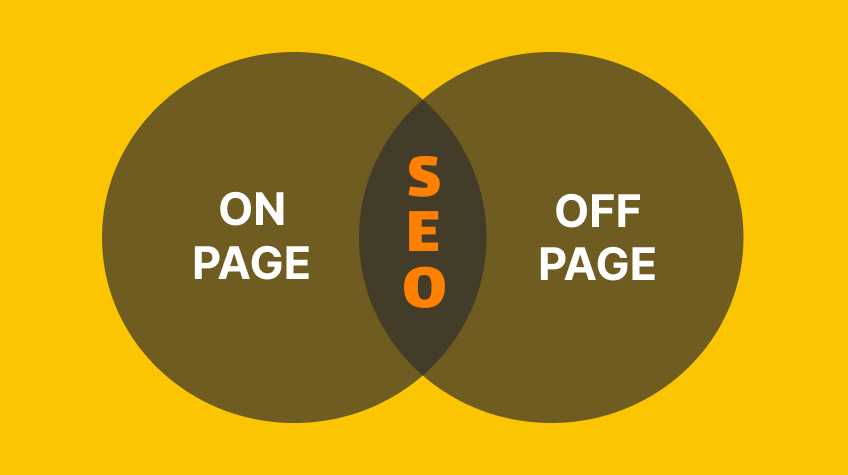
Below are several key strategies to integrate Off-Page SEO with On-Page SEO to maximize website performance and achieve long-term ranking stability.
1. Build Strong Content as the Core Foundation
High-quality content serves as the bridge connecting On-Page and Off-Page strategies. Internally, it ensures keyword optimization, relevance, and user engagement.
Externally, valuable content naturally attracts backlinks and shares across various platforms. Crafting in-depth, data-driven, and solution-oriented articles encourages other websites to reference your content as an authoritative source, thereby strengthening your domain authority.
From an SEO perspective, search engines prioritize content that gains natural engagement and external validation. A page that is well-optimized on-site and consistently referenced elsewhere signals to Google that it offers genuine value.
Maintaining a balance between keyword-rich content and shareable insights ensures that your website performs well both technically and socially within the broader online ecosystem.
2. Implement a Consistent Internal and External Linking Strategy
A well-planned linking structure forms the backbone of SEO integration. On-Page optimization uses internal links to distribute authority across pages and guide users toward relevant topics.
Off-Page SEO complements this by acquiring external backlinks from reputable websites. When both are aligned, they create a powerful web of relevance and trust that boosts the entire site’s ranking potential.
An effective linking plan requires a balance between quality and context. Excessive or irrelevant links can dilute a website’s authority, while contextually relevant links strengthen the topical structure.
Regular audits should be conducted to ensure that both internal and external links remain active, natural, and supportive of the site’s long-term growth.
3. Optimize Technical Performance to Support External Signals
Technical performance influences how effectively external SEO efforts impact a website. A slow, poorly optimized site will waste the benefits gained from backlinks or social engagement.
Ensuring fast page load speed, mobile responsiveness, secure HTTPS connections, and structured data markup creates a solid foundation for Off-Page activities to flourish.
When search engines detect that a site receiving strong external references also performs well technically, they reward it with higher rankings. Technical optimization not only improves user satisfaction but also increases crawl efficiency, allowing external link value to be distributed more effectively throughout the website.
4. Leverage Social Media for Brand Awareness and Link Growth
Social media serves as an influential channel bridging On-Page content and Off-Page authority. Sharing optimized content on platforms such as Facebook, LinkedIn, and X (formerly Twitter) helps amplify visibility and attract natural backlinks.
Although social signals are not direct ranking factors, they contribute significantly to content discovery and brand recognition.
Consistent social activity enhances user engagement, creating opportunities for others to reference your website. High-performing posts can generate discussions and secondary backlinks from blogs or news outlets. By combining strong On-Page optimization with strategic social promotion, a brand can build a sustainable presence across multiple digital environments.
5. Focus on Brand Mentions and Online Reputation
Reputation management plays a crucial role in Off-Page SEO, and its impact is amplified when combined with On-Page optimization.
Positive brand mentions, reviews, and testimonials increase credibility and trust in both users and search engines. Maintaining accurate NAP (Name, Address, Phone) information across directories and optimizing branded keywords on your site ensures consistency that enhances authority signals.
From an On-Page standpoint, creating dedicated pages for testimonials, case studies, and brand stories strengthens the internal reputation structure. Meanwhile, Off-Page efforts like PR campaigns, influencer collaborations, and guest posts expand external visibility. Together, these actions build a holistic digital reputation that fuels long-term ranking improvements.
6. Monitor and Analyze SEO Metrics Holistically
Effective SEO integration requires continuous measurement of both internal and external performance indicators.
On-Page metrics include page load times, keyword rankings, and bounce rates, while Off-Page metrics cover backlink profiles, domain authority, and referral traffic. Using tools like Google Analytics, Search Console, and Ahrefs provides valuable insights for refining strategies.
A holistic analysis allows for better decision-making. For instance, identifying high-performing backlinks can inform which content types to produce more of, while detecting technical issues helps preserve the value gained from Off-Page efforts. Regular monitoring ensures both dimensions remain aligned toward shared performance goals.
7. Maintain Content Freshness and Link Relevance
Search engines favor websites that consistently update their content and maintain active external relationships. Fresh On-Page content signals ongoing relevance, while updated backlinks reinforce authority. Revisiting old articles, refreshing statistics, and adding new insights not only improve user experience but also attract renewed external references.
At the same time, conducting backlink audits ensures that links remain relevant and free from spammy sources. Removing toxic links and reclaiming broken ones preserve your site’s integrity.
The combination of updated internal content and high-quality external validation strengthens both user trust and algorithmic confidence.
8. Align SEO Strategy with Long-Term Brand Vision
Sustainable SEO success comes from aligning both On-Page and Off-Page practices with a unified brand vision. Content themes, keyword choices, and backlink sources should consistently reflect the brand’s message and niche expertise. This long-term coherence establishes authority that goes beyond short-term ranking fluctuations.
When users encounter consistent messaging across internal pages and external platforms, brand recognition deepens. Google’s algorithms increasingly value entities (brands with consistent digital footprints) over isolated pages. Thus, integrating both aspects of SEO within a cohesive brand narrative leads to stronger, more enduring search visibility.
The combination of On-Page and Off-Page SEO forms a complete ecosystem that determines how search engines perceive, rank, and value a website.
Internal optimization ensures clarity, structure, and performance, while external efforts build authority, trust, and influence. Continuous refinement, consistency, and alignment between both sides are essential for long-term success in today’s dynamic digital environment.
Read Also : How to Measure the Success of Optimization Using the Right Off-Page SEO
