Measuring the effectiveness of On-Page SEO on each page is a crucial step in understanding how well optimization efforts truly impact a website’s performance in search engines. In-depth analysis of various elements such as content structure, page speed, keyword usage, and user experience plays a key role in assessing the success of an SEO strategy.
Consistent evaluation helps identify areas that need improvement while highlighting components that are already performing optimally.
Data obtained from these measurements can serve as a foundation for strategic decision-making aimed at increasing website visibility, reducing bounce rates, and strengthening positions in organic search results.
With a comprehensive understanding of each page’s performance, SEO strategies can be directed more accurately to achieve maximum and sustainable results.
Read Also : Tips to Optimize On Page SEO to Make a Website Soar on Google
How to Measure the Effectiveness of On-Page SEO
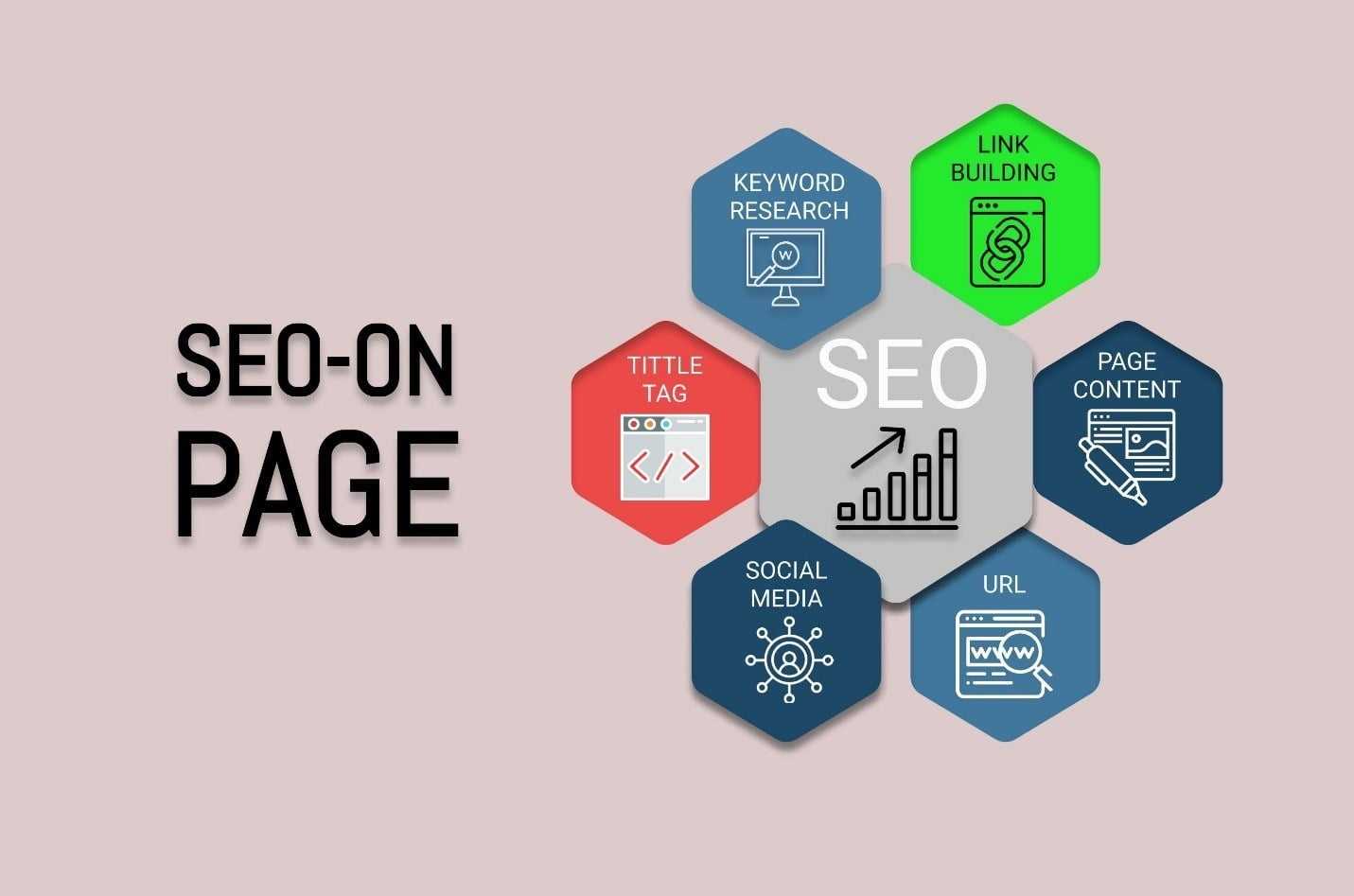
Here are several important aspects to consider when measuring the effectiveness of On-Page SEO on each page to ensure that the optimization strategies implemented deliver the best possible results.
1. Analysis of Relevant URL Structure
The URL structure plays a crucial role in helping search engines understand the context and hierarchy of pages within a website. Short, clear URLs that include primary keywords strengthen the signal of relevance toward a specific topic.
Placing keywords within the URL provides an additional advantage, as search engines can easily associate them with user search intent.
A simple format without random characters or excessive parameters creates a clean and professional appearance. Readability is also important because users are more likely to click on links that appear well-structured rather than non-descriptive ones.
Consistency in URL structure helps maintain order between pages and reinforces the overall foundation of On-Page SEO. Consistent links facilitate easier crawling and improve site-wide navigation. Changing URLs without proper planning can lead to 404 errors and decrease page rankings.
Therefore, early planning is essential to ensure that the URL structure aligns with long-term content strategy. A combination of simplicity, relevance, and consistency is the key for each page to be easily found and identified by both search engines and visitors.
2. Evaluation of Primary Keyword Usage
Primary keywords are fundamental elements of an On-Page SEO strategy, as they determine the overall direction of content optimization.
Proper placement within the title, meta description, headings, and first paragraph strengthens the connection between the content and the search topic.
Keyword usage should feel natural to maintain readability and avoid appearing manipulative in the eyes of search algorithms. Balanced frequency keeps harmony between relevance and reader comfort. Precision in selecting keywords aligned with search intent helps pages compete more effectively in organic search results.
The quality of keyword selection is determined not only by search volume but also by competition level and relevance to page content.
Tools such as Google Keyword Planner or Ahrefs can provide deeper insights into available opportunities. Regular evaluation of keyword performance is necessary to adapt strategies to evolving search trends.
Placing keywords within informative contexts enhances user experience while strengthening semantic signals to search engines. A strategic and measured approach produces balance between technical optimization and informational value within the content.
3. Checking Page Speed and Performance
Page load speed directly affects user satisfaction and ranking positions in search results. Search engines consider fast-loading sites as indicators of strong technical quality that provide positive user experiences.
Slow-loading pages often lead to higher bounce rates because visitors tend to leave before reading the content. Optimizing images, removing unnecessary scripts, and using caching mechanisms can improve server response times. Regular analysis with tools like Google PageSpeed Insights helps identify factors that slow down performance.
Optimal technical performance establishes a solid foundation for On-Page SEO strategies by supporting accessibility and efficient indexing.
The use of a Content Delivery Network (CDN) enhances global data distribution, making pages load faster across locations. Speed impacts not only search engine rankings but also user perception of professionalism. Stable performance builds user trust and extends page visit duration.
Speed is a critical factor that must be continuously monitored to keep a website competitive amid constant algorithm changes.
4. Quality and Depth of Content
Content quality is the primary factor determining how effectively On-Page SEO efforts attract and retain visitors. Relevant, informative, and in-depth content provides greater value in the eyes of both search engines and users. Supporting data, illustrations, and comprehensive explanations enrich understanding of the discussed topic.
Consistent writing style and structured paragraphs reinforce professionalism and improve readability. Avoiding duplicate content is also vital to maintain page credibility in search engine indexes.
A quality-driven approach emphasizes delivering genuine solutions to readers rather than merely fulfilling word count requirements.
Content that answers user needs and questions tends to generate higher engagement. Contextual keyword usage makes content appear natural and easily understood by semantic algorithms.
Periodic evaluation of page performance helps identify the most engaging topics worth expanding further. The more comprehensive the discussion, the higher the chance for a page to become a trusted reference in its field.
5. Optimization of Meta Title and Meta Description
Meta titles and descriptions serve as the first representation of a page in search results, playing a major role in capturing user attention.
Titles containing primary keywords and written in compelling language can significantly improve click-through rates. Informative meta descriptions help users understand page content before visiting it.
Concise and persuasive sentence structures make a page appear relevant and professional in search results. Placing keywords at the beginning of the description strengthens topical relevance signals.
Consistency between meta titles, descriptions, and on-page content is essential to avoid misleading users after they click. A/B testing multiple variations of titles and descriptions can reveal the most effective format for attracting clicks.
Proper character length following Google’s display limits ensures text is not truncated in results. Monitoring CTR performance serves as a metric for assessing the success of metadata strategies. The blend of creativity, relevance, and clarity creates strong appeal while reinforcing a page’s position in top search rankings.
6. Well-Structured Headings and Subheadings
Heading structure functions as a roadmap that guides search engines in understanding the hierarchy and context of each section on a page. Proper use of H1, H2, and H3 tags helps distinguish between the main title, subtopics, and supporting details.
The H1 tag should be used only once to represent the primary focus of the page, while H2 and H3 tags are used to clarify information divisions within the content.
Clear hierarchy enhances readability for both users and indexing algorithms. Structural clarity also improves user experience, making content appear more organized and easier to follow.
Proper heading usage increases On-Page SEO value because it provides semantic signals to search engines about relationships between sections of text.
Keywords placed naturally within headings strengthen relevance without appearing excessive. Consistency in heading format and order prevents structural confusion that could reduce optimization quality.
Regular evaluation of heading implementation is necessary to avoid duplication or logical inconsistencies within the layout. A clean structure forms a critical foundation that makes pages easier to read, index, and maintain in high search rankings.
7. Presence of Internal and External Links
Internal links play a strategic role in reinforcing relationships between pages within a website and helping users explore related content.
Such links create a structured flow of information and extend visit duration as users are encouraged to navigate further. Search engines also interpret internal link structures as strong signals of a page’s importance within the overall site.
Placing internal links on relevant keywords enhances the authority of the target page. A well-planned linking strategy prevents page isolation and supports comprehensive indexing.
External links serve to provide additional references for users and enhance content credibility in the eyes of search engines. Citing reliable sources such as journals, official institutions, or reputable websites strengthens the informational value of a page.
Quality outweighs quantity, as links pointing to high-authority domains have a more positive impact on SEO reputation. Regular monitoring of external links is needed to ensure there are no broken links harming performance.
Maintaining a balance between internal and external links creates a solid knowledge network and enriches the user experience with valuable, interconnected insights.
8. Use of Images with Proper Alt Text
Images play a vital role in enriching content visualization and presenting topics more engagingly. Since search engines cannot interpret images directly, alt text becomes an essential element that describes visual content.
Alt text serves as an alternative description that helps algorithms understand image context while enhancing accessibility for visually impaired users.
Using descriptive and relevant filenames also increases the likelihood of appearing in Google Image search results. Optimizing image size speeds up page load times without compromising display quality.
Effective alt text should include keywords naturally without unnecessary repetition. Accurate descriptions enable search engines to understand the connection between images and the overall content. Using efficient image formats like WebP or smart compression maintains a balance between performance and aesthetics.
Adding dimension attributes to images helps browsers load pages more efficiently. Regular maintenance of visual media and alt text strengthens the On-Page SEO structure while ensuring an optimal user experience across various devices.
9. Responsive Design Across Devices
Responsive design allows web pages to adapt their layout to different screen sizes, whether on desktops, tablets, or mobile phones. Search engines such as Google give higher priority to responsive sites because they enhance user comfort.
A flexible page structure ensures visual consistency without losing important elements across platforms. Testing page display on multiple devices ensures that all content remains accessible and readable. This aspect not only supports SEO but also boosts the site’s credibility in the eyes of visitors.
Modern SEO success is heavily influenced by a page’s performance on mobile devices, which now dominate global web traffic. Easy navigation, proportional text, and comfortably clickable buttons increase visit duration and reduce bounce rates.
The use of flexible, grid-based designs allows layouts to adapt quickly to various screen sizes. Optimization of interactive elements such as menus and images must also be considered to prevent slow loading.
The advantage of responsive design lies in harmonizing technical excellence with user experience, an essential pillar for long-term On-Page SEO success.
10. Monitoring Click-Through Rate and Visit Duration
Click-Through Rate (CTR) is an important indicator for assessing the effectiveness of meta titles and descriptions in attracting user attention.
A high CTR shows that titles and descriptions successfully convince users to visit the page. Analyzing CTR data helps identify pages that require improvement in copywriting or search result presentation. Average visit duration also provides insights into how well content maintains user engagement. The combination of CTR and visit duration reflects both content appeal and quality.
Monitoring user behavior metrics through tools such as Google Analytics allows deeper evaluation of each page’s performance. The collected data can be used to optimize content structure, refine visual elements, and enhance information relevance.
Heatmap analysis also helps identify which parts of a page attract the most attention. Continuous evaluation of CTR and visit duration maintains On-Page SEO effectiveness amid evolving search trends. Strategy adjustments based on real data ensure each page continues improving toward peak performance capable of competing strongly in search results.
Each of the elements above contributes to determining the overall success of an On-Page SEO strategy. Regular measurement allows for early detection of performance declines and areas that need improvement.
A data-driven approach like this helps maintain optimization consistency while increasing the likelihood of pages reaching top positions in Google’s search results.
Read Also : Complete Guide to Combining Off-Page SEO with On-Page SEO
